Five Al Fayed survivors recognized as modern slavery victims by UK Home Office
The UK Home Office has recognized four more women abused by the late former Harrods owner Mohamed Al Fayed as victims of modern slavery. After decades of complaints, UK police finally included trafficking as part of their investigation into Al Fayed’s abuses.
Survivors feel validated by this “concrete confirmation” of their experiences. They now have a pathway to support and justice.
How identification influences investigations
The cases, which began in the nineties, include women who were trafficked internationally and within the UK. In once case, the trafficking took place entirely within Harrods. Survivors shared their experiences with the UK Press Association (PA).
The Independent reports:
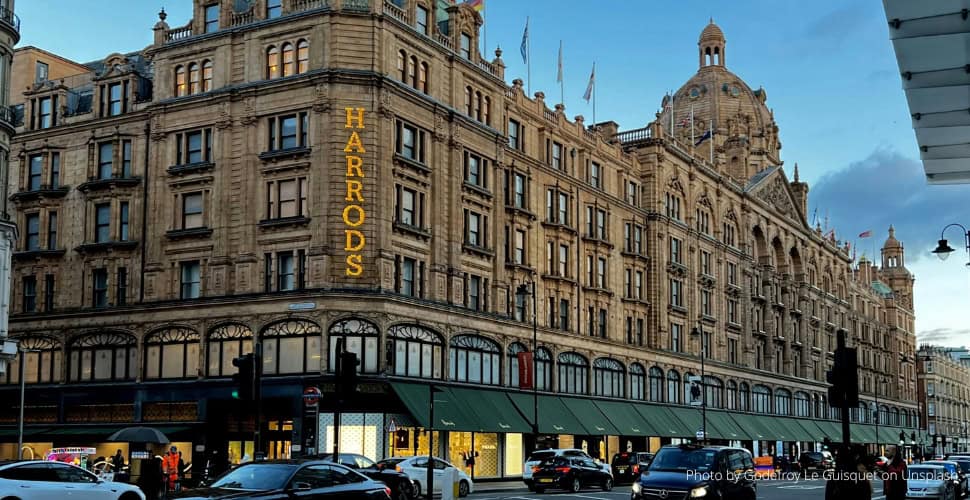
“I think one thing that the public doesn’t understand is they think this was one bad man, but he couldn’t have done what he did without Harrods processing women to him and silencing them afterwards.
And it wasn’t just Harrods, obviously. It was any entity that Al Fayed owned or had control of.
It was his yachts, his aviation business, the Ritz Paris, his properties all over France and Monaco, it went as far as the States and the UAE – anywhere that man touched.
It was not just Mohamed Fayed either, she said, but “a wider network of perpetrators”.
The UK’s National Referral Mechanism (NRM) is the official framework for identifying victims of modern slavery. When an individual receives a positive conclusive grounds decision through the NRM, they are formally recognized as a victim of modern slavery. Legal experts say these decisions can strengthen the credibility of witnesses in criminal proceedings. Additionally, the outcome may influence the way police investigate cases.
In this case, UK police were previously treating decades of reports as individual sexual assault claims. However, a 2024 BBC investigative documentary on Al Fayed featuring dozens of survivors of his abuse made the case public. Over 100 women came forward reporting allegations of sexual assault, sexual exploitation and human trafficking, including Rachel Loew who waived her right to anonymity. However, Rachel felt the police didn’t take the trafficking aspects of the case seriously. With support from a survivor group, No One Above, and anti-slavery charity, Unseen UK, her case was referred to the NRM.