The global garment industry built on gendered exploitation
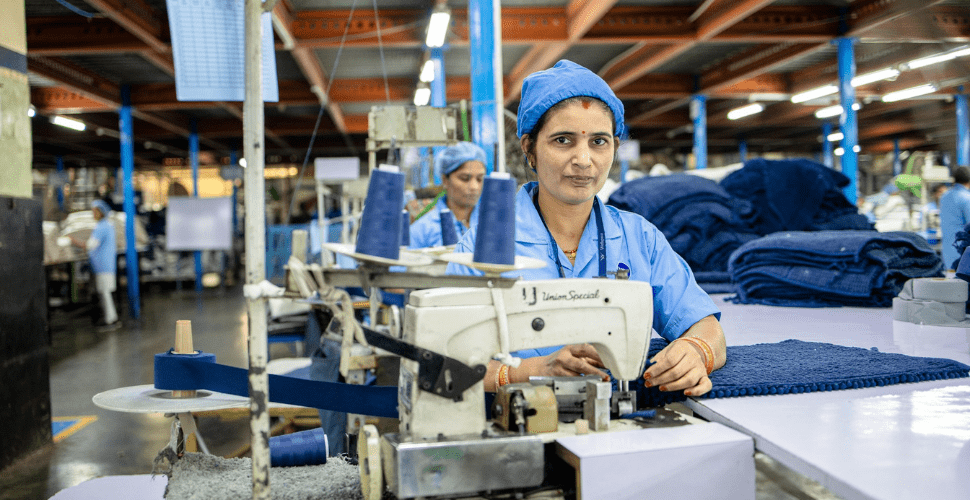
The global garment manufacturing workforce is 60-80% women. Thus, labor rights protections in the sector, or the lack of them, are intrinsically gender-based. Hence, when states and companies suppress labor rights it means women are being disproportionately affected. That’s why when we talk about preventing modern slavery in the garment and fashion industry, it is imperative to look through the lens of gender discrimination.
Empowering women to combat gender discrimination
If you look at the major issues facing garment workers many of them are disproportionately affecting women. That’s because not only are most of the workers women, the industry is rife with gender discrimination. The wage gap that women face in comparison to men in comparable work is persistent. And sadly, for many women working as garment workers, violence and sexual harassment are also heavily prevalent.
In a recent article, Amnesty International writes:
Research in India and Bangladesh warns that male managers and supervisors often bully, harass and sexualize the women who work for them. Women from marginalized communities, such as Dalit women in India or Tamil women in Sri Lanka and Christians in Pakistan, are particularly vulnerable to such abuse.
Additionally, harassment and violence against women are carried out with a culture of impunity. This unfortunately creates a cycle of abuse because it discourages women to report it.