
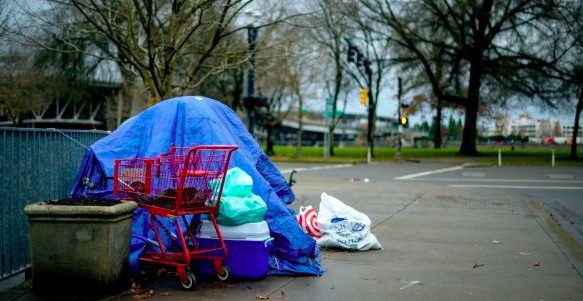
New bill in Louisiana turns poverty into a pipeline for forced labor
A controversial bill moving through Louisiana’s legislature would make sleeping outside a crime—and could force unhoused people into unpaid labor if they cannot afford fines or treatment.
Advocates warn the proposal does more than criminalize homelessness. It risks turning poverty into a pipeline for coerced labor.
Coercion in disguise
House Bill 211 would criminalize sleeping outside by banning “unauthorized camping” on public property. People caught sleeping outdoors could be sentenced to up to six months in jail, fined $500, or both. Repeat offenders might face up to two years in prison and increased fines.
To avoid jail time, the individual could undergo a mandatory 12-month treatment program. But there’s a catch. According to a report by Newsweek, those unable to pay could be required to perform unpaid labor. A move that advocacy groups argue amounts to coerced labor.
Meanwhile, lawmakers are framing the bill as a “pathway to treatment.” But A bill that forces unhoused people to choose between jail and involuntary treatment, makes them pay for it, and if they can’t pay, forces them to perform unpaid labor is not treatment—it is coercion.
As a finance expert, Michael Ryan told Newsweek:
HB 211 is a debt trap. It creates a population of people who are, by definition, unable to pay. And then converts that inability into a labor obligation…No legitimate treatment program requires the patient to work off their bill under threat of incarceration… Once you’re in the program and can’t pay, you’re not a person in treatment anymore. You’re a labor asset.