Debt bondage forcing workers to sell their organs just to survive
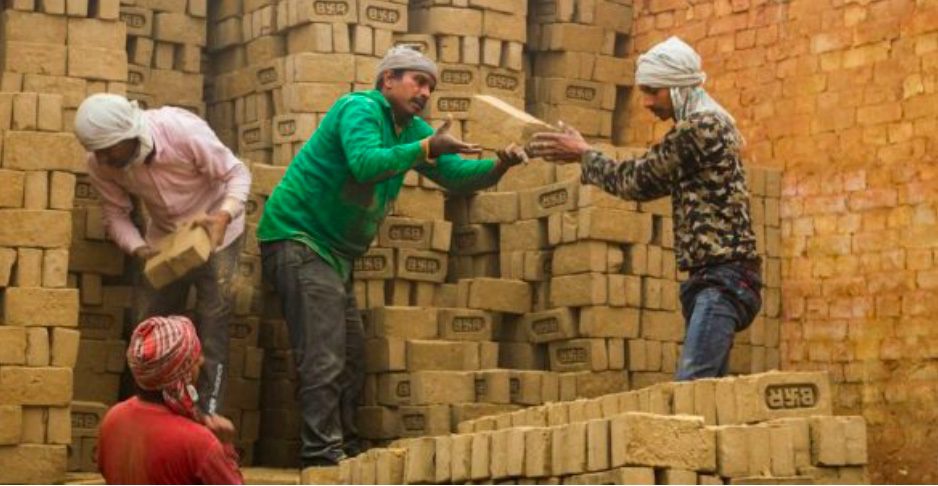
For families working in brick kilns across Pakistan, debt is not just a burden—it shapes entire lives. Workers describe being born into loans they did not choose. Over time, those debts grow. Then, trapped in debt bondage, one of the most common forms of modern slavery, workers say they are left with no choice. In order to repay loans tied to recruitment, housing and daily survival, they are selling parts of their own bodies.
“We are born into debt and we die in debt”
In low-income households in Pakistan, families often take small loans to cover food, rent, or emergencies. But high interest rates and exploitative systems make repayment nearly impossible. Instead of shrinking, debts expand—and crucially, they do not disappear. When a worker dies, the burden passes to their children, locking entire families into cycles of bondage.
One worker told The Guardian:
We are born into debt and we die in debt, they see us as slaves. We just have to obey.
Many workers “agree” to sell their kidneys, but that choice is shaped by desperation, poverty, and pressure.
It’s difficult to give away a part of your body, but there was no other way,
With wages too low to reduce what they owe, workers face constant demands for repayment. When brokers suggest selling a kidney as a solution, the unthinkable becomes a last resort. Yet this practice is not only illegal—it can also constitute as human trafficking. Under international law, consent is irrelevant if coercion, deception, or abuse of vulnerability is involved.