Spotlight is on power in human trafficking due to recent royal arrest
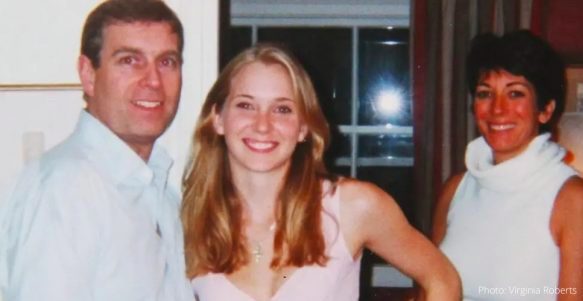
Andrew Mountbatten-Windsor, formerly the Duke of York, was arrested on Thursday for misconduct in public office. The arrest relates to the former prince’s connection to convicted sex offender Jeffrey Epstein. Authorities are investigating whether Mountbatten-Windsor shared sensitive information with Epstein while serving as the UK’s trade envoy. They are also reviewing claims of Mountbatten-Windsor’s involvement in allegations a survivor of Epstein’s trafficking network was brought to the UK for sexual exploitation, which he has repeatedly denied.
Arrest has broader human trafficking implications
The arrest marks an unprecedented moment in modern royal history. However, beyond the royal family, the arrest is significant for the message it sends to survivors of human trafficking. Experts say cases involving powerful individuals can influence whether survivors feel safe reporting abuse and whether anti-trafficking protections are meaningful. That is one reason the response by political leadership and the crown has been so important in this case. For his part, King Charles III has expressed “deepest concern” adding “the law must take its course.”
The Guardian reported in his response to Mountbatten-Windsor’s arrest, former prime minister Gordon Brown said:
I have submitted a five-page memorandum to the Metropolitan, Surrey, Sussex, Thames Valley and other relevant UK police constabularies (which) provides new and additional information… (and) where I expressed my concern that we secure justice for trafficked girls and women.
Advocates say that high profile investigations like this one are significant. They can help strengthen trafficking survivors’ confidence in accountability. However, delays or dismissals can have the opposite effect. They emphasize that justice for survivors is not only about criminal outcomes. It also includes dignity, privacy, and protection from further harm. Sadly, the handling of the Epstein case has already repeatedly underlined gaps in survivor protections, leading to further harm as we previously reported.