
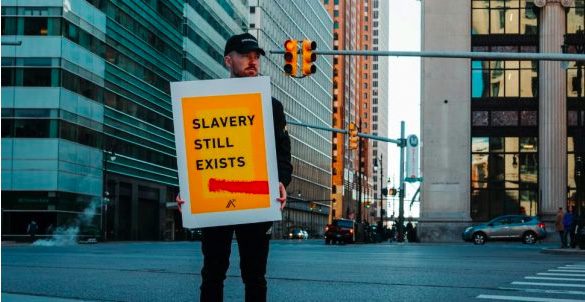
Modern laws, labor systems, and global markets- how slavery has adapted
Most people think slavery is a practice that ended with abolition laws. Yet, as Jasmin Gallardo shares, abolition laws focused on ending legal ownership, not on dismantling the economic structures that depended on exploitation. That gap created space for forced labor to reemerge in forms that were technically legal, harder to see, and easier to defend.
The systems that drove slavery were never dismantled
In many places, formerly enslaved people were released without land, income, or legal protection, leaving them with few viable choices but exploitative labor arrangements. Plantation owners, industrialists, and governments quickly adapted, ensuring forced labor remained central to economic life.
In the US, sharecropping tied Black families to land through cycles of debt that were difficult to escape. In colonial territories across Africa and Asia, European powers imposed labor taxes that compelled local populations to work on plantations and infrastructure projects. These arrangements were framed as contracts or civic obligations, yet refusal often led to imprisonment or violence.