
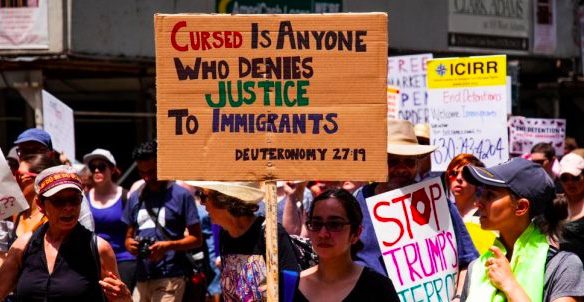
Hunger strikes highlight abuse and exploitative labor happening inside detention centers in US
In immigration detention centers across the United States, detainees are refusing food—and in some cases refusing to work—because conditions have become unbearable. From Michigan to Pennsylvania, hunger strikes are exposing a system marked by abuse, neglect, and forced labor inside facilities run by private contractors like GEO Group.
Hunger strikes spread across detention centers
This week, hundreds of detainees at the North Lake Processing Center in Michigan launched a coordinated hunger strike. According to reporting by Newsweek, around 300 people have refused food, with some also refusing work assignments inside the facility.
In a translated statement emailed by No Detention Centers in Michigan, an immigrant advocacy group, one man wrote:
We are being held prisoner arbitrarily. The majority of us meet all the requirements to be released, yet judges capriciously deny us bond and the basic rights to which we are entitled. We need to get out of here and to be treated like human beings.
The North Lake facility has a long history of unrest. Between 2019 and 2022, when it operated as a federal prison for migrants, multiple hunger strikes and reported deaths drew national attention.
Now, similar protests are emerging elsewhere. In Pennsylvania, roughly 100 men detained at the Moshannon Valley Processing Center have also gone on hunger strike. Their protest began after staff allegedly ignored a detainee in medical distress.
According to Reason, a source inside the facility said:
He vomited a green substance and fainted… His body was white. He was shaking and sweating and officials paid no attention to him.
Others described similarly dire conditions: “We have found worms in our water, bugs in our food… The conditions here are terrible.”
Reports from other states point to the same pattern. In Florida, court filings allege that guards beat and pepper-sprayed detainees who protested losing access to phones. One attorney stated that “an officer came in and punched [a detainee]… and began to beat him,” while others were sprayed, leaving one person unconscious because he “could not breathe.”
Taken together, these accounts show that the crisis extends far beyond a single facility.