US targets forced labor abroad, but Canada says look in the mirror
The United States is cracking down on forced labor—or so it claims. While Washington targets trading partners with sweeping investigations and tariffs, Canadian lawyers are pointing the finger back at American-made goods. Products built with prison labor in the US, they argue, may violate Canada’s own anti-forced labor laws. The case exposes a troubling contradiction at the heart of US trade policy.
Chain gangs, child labor, and more
Sandra Wisner, director of the International Human Rights Program at the University of Toronto, filed a formal complaint with the Canada Border Services Agency this month. Her team asked the agency to block goods made with forced labor entering Canada from the US—specifically products linked to prison labor programs in Alabama.
Wisner shared:
Discussions about forced labor tend to focus on global supply chains in the Global South, so in factories in Southeast Asia or agricultural fields in Latin America. But the use of forced or prison labor in the US, including under deeply coercive and abusive conditions, receives far less attention, especially here in Canada.
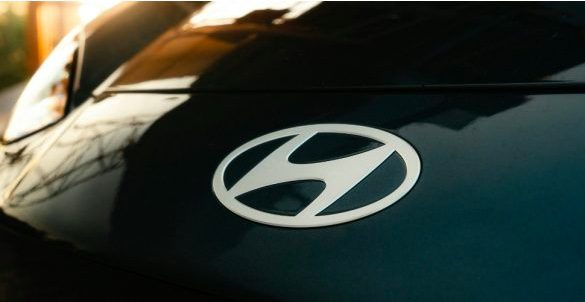
A Columbia University survey from last year found that 13% of workers at a Hyundai supplier in Alabama were in a prison work release program. Moreover, a supplier they dropped in 2023 employed child refugees to operate heavy equipment.
Under the US Constitution, slavery and involuntary servitude remain legal as punishment for a crime. Alabama brought back chain gangs in 2021. Parole rates in the state dropped from over 50% in 2018 to under 10% in 2023. Meanwhile, prison labor increased.
As Jalopnik reports:
American academics have argued that using prisoners for labor is not appropriate when they are denied health and safety protections afforded to regular employees, and when private corporations running prisons punish and reward inmates based on the quality of their work output.
Wisner’s colleagues examined reports from government and civil society groups about incarcerated workers being coerced into producing parts for Hyundai, Genesis, and Dorsey Trailer products. They also interviewed currently and formerly incarcerated workers directly.